
Blog Posts
New Blog Post
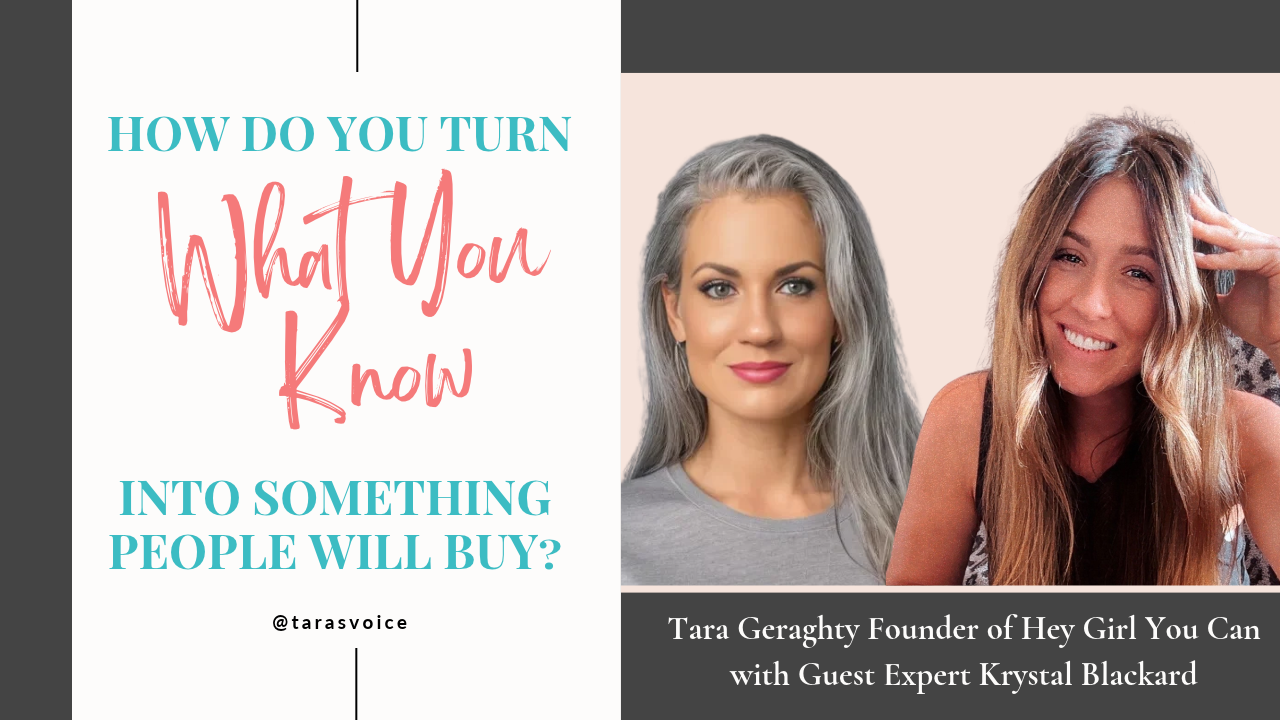
You Know a Lot. But How Do You Turn What You Know Into Something People Will Buy?
Have you ever thought, “I could probably help someone with this,” but struggled to figure out how to turn that knowledge into an actual business offer?
Maybe people already come to you for advice. You have years of experience in your field. You’ve solved problems for yourself or helped other people solve theirs.
But knowing something valuable and creating an offer people want to buy are two different things.
That distinction is at the heart of turning your ideas into income.
During the Hey Girl You Can panel, “Turning Your Ideas Into Income,” sales and marketing strategist Krystal Blackard shared her perspective on taking what you know, turning it into a clear offer, and communicating its value to potential customers.
Known as The Unsubscribist, Krystal helps entrepreneurs simplify their sales and marketing so they can focus on what actually matters to their business.
Here’s a useful place to start.
Start with what you already know
When people think about starting a business, they often assume they need a completely original idea.
They start looking for the perfect product, a clever name, a website, or a business model that nobody has tried before.
But you may already have the beginnings of a business in your existing knowledge and experience.
Think about the questions people ask you repeatedly.
What do friends, colleagues, customers, or people in your industry come to you to figure out? What problems have you learned to solve? What do you understand now that you wish you had known five or ten years ago?
These questions can help you identify where your experience may be useful to someone else.
You don't have to know everything about a subject to help someone. You need to understand the problem you can solve and be able to communicate the value of your solution.
Turn your knowledge into a specific offer
Knowing how to do something doesn't automatically tell a potential customer why they should pay you.
Consider the difference between saying, “I help people with marketing,” and explaining exactly what you help someone accomplish.
The first statement describes a broad area of work. The second gives a potential customer something concrete to understand and evaluate.
A useful starting point is to complete these three statements:
I help: Who specifically do you want to serve?
They struggle with: What problem are they trying to solve?
I help them achieve: What useful outcome can you provide?
Your answers don't have to be perfect on the first try. The purpose is to make your thinking more specific.
Once you have that clarity, you can begin deciding what form your offer should take. It might be a service, a consultation, a workshop, a resource, or another format that fits the problem you're solving.
The format matters, but it comes after understanding the customer and the value you can provide.
Make your marketing easier to understand
One reason business owners struggle to sell is that they communicate what they do from their own perspective instead of the customer's.
You may be excited about your process, your credentials, or the number of things included in your offer. Your customer, however, is trying to figure out whether you understand their problem and can help them solve it.
That doesn't mean your experience is unimportant. It means you need to connect that experience to something the customer cares about.
Instead of listing every feature, explain what the offer helps someone do.
Instead of trying to appeal to everyone, make it clear who is most likely to benefit.
And instead of assuming people understand your value, give them enough information to see it.
Clear marketing makes it easier for the right people to recognize themselves in what you're offering.
You don't need to do everything
Krystal is known for helping business owners unsubscribe from unnecessary complexity and the endless list of things they believe they should be doing.
That is a useful reminder when you're trying to get a new offer off the ground.
It's easy to become distracted by every marketing platform, trend, tool, and strategy available. You can spend weeks adjusting your branding or planning content without getting any closer to finding out whether your offer connects with real customers.
Start with the essentials: a clear offer, a defined audience, a message that communicates the value, and a practical way to get that message in front of potential buyers.
You can add more as you learn what works.
Your next step: Choose one idea
If you've been thinking about turning your knowledge into income, don't start by building an entire business around every idea you have.
Choose one problem you know how to help solve.
Write down who experiences that problem, what they want to accomplish, and how you might help them get there.
Then ask someone in that audience about the problem. Listen to how they describe it. Pay attention to what they want and what they have already tried.
That information can help you make your offer more relevant before you invest too much time creating it.
Your experience may already be valuable. The next step is learning how to package and communicate that value in a way people can understand.
Continue learning
Krystal Blackard shared her perspective during the Hey Girl You Can panel, “Turning Your Ideas Into Income.”
Get Krystal’s free Untangled Journal: HERE
Watch the full panel replay: HERE
Get Tara’s free Breakthrough Business Blueprint HERE
Explore Hey Girl You Can: https://www.heygirlyoucan.com
The question to take with you: What do people already come to you for help with that could become the starting point for an offer?


Hey Girl You Can
Ongoing access to Tara Geraghty — business
strategy, mindset coaching, live trainings,
and the support to actually move forward.


© 2026 Hey Girl You Can. All rights reserved. Privacy Policy Terms of Service